

Ayurvedic Perspective on the Causes of Joint Pain
Joint pain in Ayurveda is primarily linked to an imbalance of Vata dosha, which governs movement and lubrication in the body. When Vata becomes aggravated due to age, stress, irregular diet, or excessive physical activity, it leads to dryness and stiffness in the joints. Ama (toxins formed from improper digestion) can accumulate in the joints, causing inflammation, swelling, and pain. Weak digestion (Mandagni) is considered a major root cause because it allows Ama to circulate and lodge in weak tissues like joints. Poor lifestyle habits such as lack of sleep, cold exposure, and an unhealthy diet further aggravate Vata and worsen joint discomfort. Ayurveda suggests correcting digestion, balancing Vata, and strengthening joint tissues (Asthi dhatu) to prevent and manage joint pain effectively.
Classical Ayurvedic Herbs for Joint Pain and Muscle Injury
Ayurveda recommends several powerful herbs for managing joint pain and muscle injuries, with strong classical references supporting their therapeutic actions. Ashwagandha, described in Bhavaprakasha Nighantu, helps reduce inflammation and strengthen muscles by balancing Vata. Shallaki is noted in the same text for its Vedanasthapana (pain-relieving) properties, making it effective for swelling and stiffness. Guggul, mentioned in Charaka Samhita, is widely used for chronic joint disorders due to its Shothahara (anti-inflammatory) effect. Nirgundi, referenced in Bhavaprakasha, works well for sprains, muscle injuries, and Vata-related pain when applied or taken internally. Herbs like Shunthi (ginger) and Haridra (turmeric), described in classical texts including Charaka and Sushruta Samhita, help improve circulation, reduce toxins (Ama), and relieve inflammation. Additionally, Eranda (castor) and classical formulations like Mahanarayana Taila, mentioned in Bhaishajya Ratnavali, are highly effective for joint stiffness, muscle pain, and enhancing mobility.
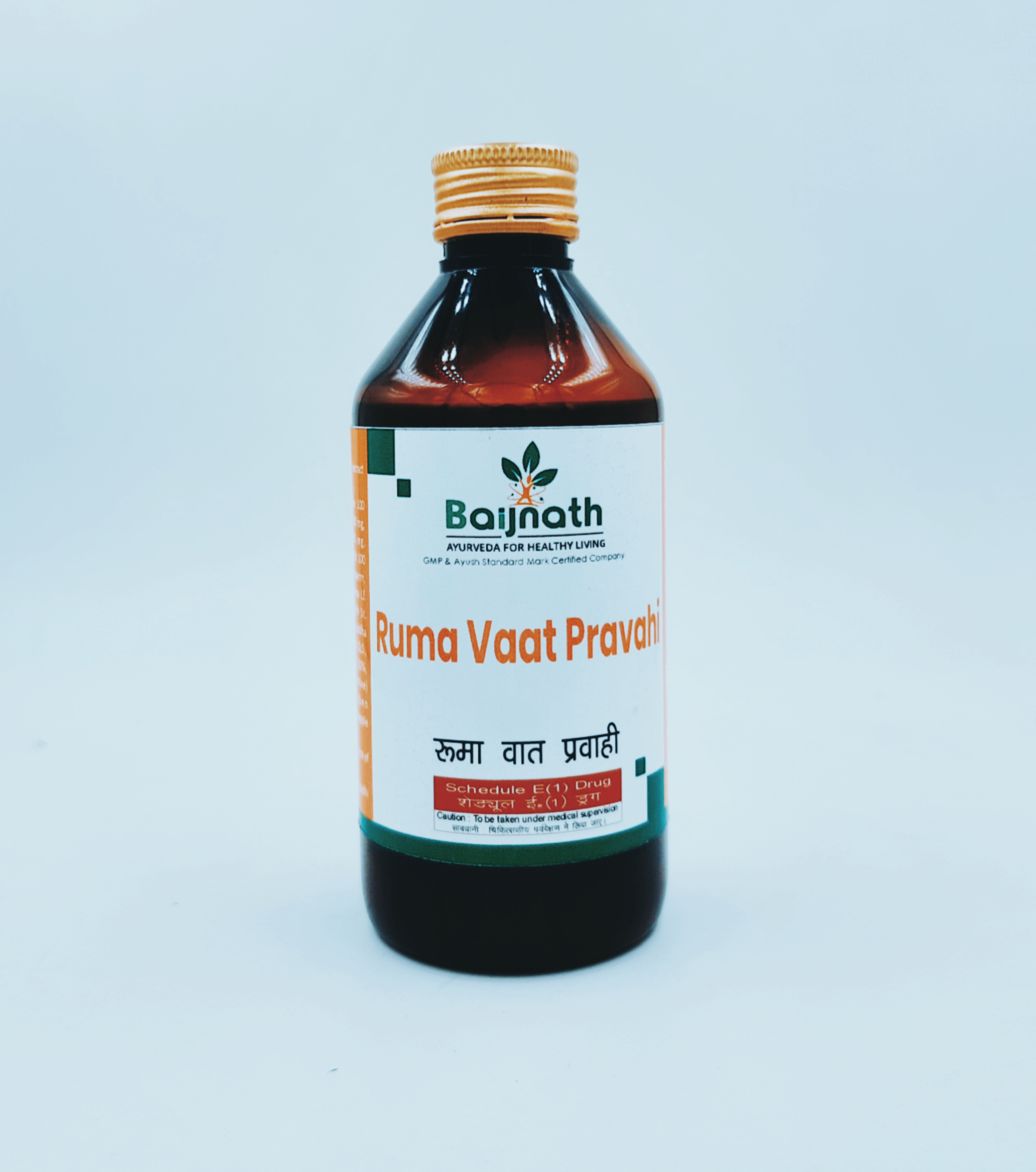
How Ruma Vaat Pravahi Supports Joint Pain Relief and Muscle Healing
Ruma Vaat Pravahi works on joint pain and muscle injury by balancing Vata dosha, which is the primary cause of pain, stiffness, and restricted mobility. Ashwagandha, as described in Bhavaprakasha, provides Balya (strengthening) and anti-inflammatory effects, helping repair muscle fibers and reduce stress-induced inflammation. Suranjan contains natural colchicine-like alkaloids that modern science recognizes for reducing uric acid–related inflammation and easing joint discomfort. Guggulu extract, referenced in Charaka Samhita, acts as a Shothahara (anti-inflammatory) agent, and modern studies confirm its boswellic acids support cartilage protection. Visamusthi (purified) helps in relieving neuromuscular pain by reducing Vata aggravation and enhancing nerve-muscle coordination. Rasana, mentioned in classical texts for Vatavyadhi, helps reduce stiffness and improve joint mobility. Guduchi serves as a Rasayana (rejuvenator), and modern research supports its ability to reduce oxidative stress and promote tissue healing. Shuddha Shilajit, rich in fulvic acid and minerals, enhances nutrient absorption and accelerates recovery of muscles and joints, making the formulation effective for both acute and chronic musculoskeletal issues.
Reviews
There are no reviews yet.